Streaming TV has irrevocably altered how consumers consume live sports. Nowhere is this more evident than in the explosive growth of streaming video—a trend dramatically accelerated by the cord-cutting phenomenon. For sports marketers, understanding this evolving terrain is no longer optional; it’s essential for brand visibility.
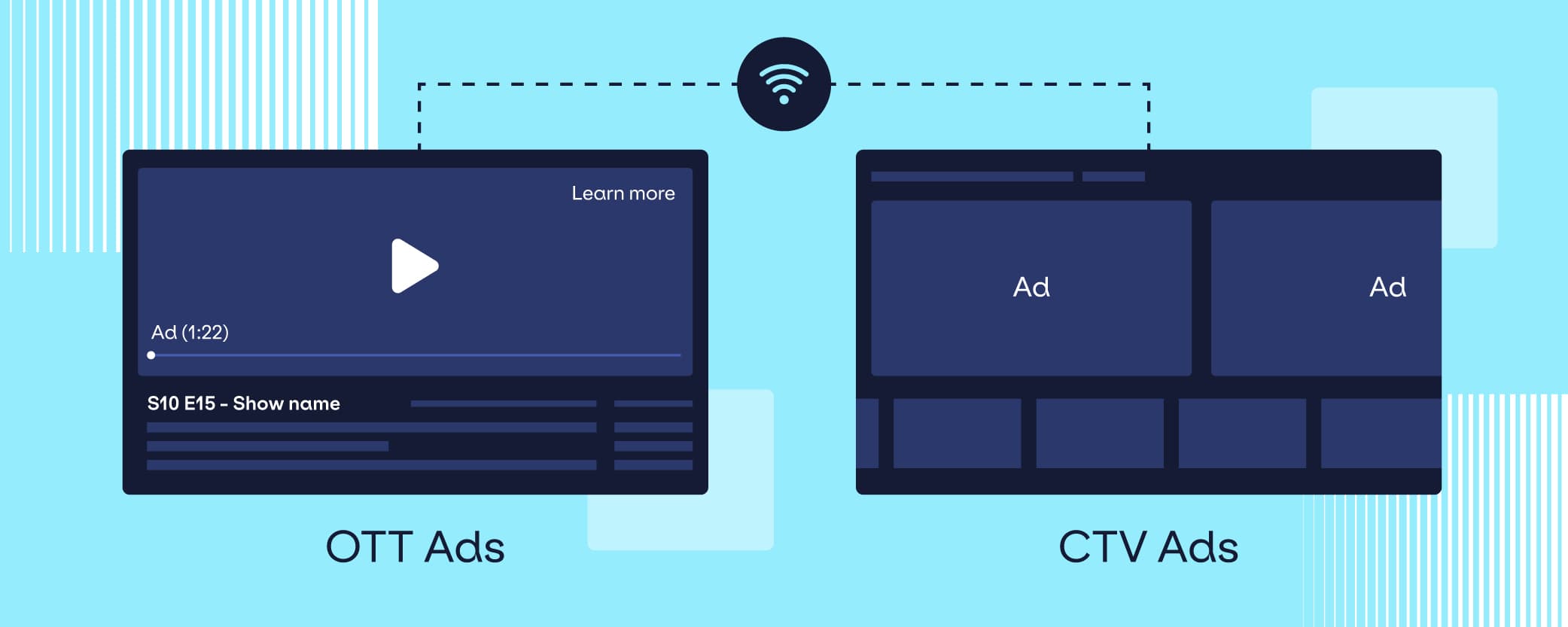
Two key terms dominate the conversation: OTT (Over-the-Top) and CTV (Connected TV). While often used interchangeably, these concepts are distinct, and grasping their nuances is critical for effective audience targeting and campaign measurement.
This article provides a comprehensive breakdown of OTT and CTV, explores their differences, examines monetization models, and outlines the key metrics that drive success in this dynamic environment.
The Great Migration: Sports Fans Embrace Digital
The evidence is clear: sports viewership is migrating away from traditional linear TV and towards digital platforms. EMARKETER data reveals a compelling story:
- Cord-cutting is on the rise: By 2026, 143 million US households will have cut the cord with traditional pay TV. This will account for more than half (53.1%) of the country’s population.
- Streaming dominates: CTV streaming now accounts for over 30% of total TV usage, surpassing cable for the first time in history.
- Digital viewership is surging: The number of digital live sports viewers is projected to climb to 133 million by 2028.
This shift has profound implications for sports marketers. Live events, once the exclusive domain of linear TV, are now readily available across a multitude of digital platforms. To remain competitive, brands must adapt their strategies and embrace the power of digital.
What is OTT?
OTT, or Over-the-Top, is the all-encompassing term for any video content delivered via the internet, circumventing traditional cable and satellite providers.
Think of it as the wild west of video, where content flows freely across a vast array of devices. Watching a highlight reel on YouTube during your commute? Streaming a live game on ESPN+ on your tablet? Binging a docuseries on Netflix via your laptop? These are all examples of OTT consumption. Its device-agnostic nature makes OTT a powerful tool for reaching audiences wherever they are.
What is CTV?
CTV, or Connected TV, represents a more focused subset of OTT. It specifically refers to television sets that are internet-enabled, capable of streaming video content directly. This includes smart TVs with built-in streaming capabilities and older TVs connected to devices like Roku, Amazon Fire TV Stick, Apple TV, or gaming consoles.
The key differentiator? CTV brings the streaming experience to the living room’s centerpiece: the television screen. This distinction is crucial because the television viewing experience often commands greater attention and engagement than smaller, personal devices. It’s a return to the immersive power of the big screen, enhanced by the precision and interactivity of digital technology.
OTT Monetization Models, Explained
Understanding the various monetization models within the OTT ecosystem is essential for effective advertising strategies. Four primary models exist:
- SVOD (Subscription Video On Demand): The subscription model reigns supreme with services like Netflix, Disney+, and HBO Max. Viewers pay a recurring fee for access to a vast library of content. While some SVOD platforms are introducing ad-supported tiers, subscriptions remain the primary revenue driver.
- AVOD (Advertising-based Video On Demand): Free, ad-supported platforms like Tubi, Freevee, and Pluto TV represent a compelling alternative. These services monetize through ad placements, offering a cost-effective way to reach broad audiences.
- FAST (Free Ad-Supported Streaming TV): Similar to AVOD, FAST channels provide free content with ads but often mimic the experience of traditional TV, with linear programming schedules and genre-specific channels. Pluto TV and Xumo exemplify this model.
- TVOD (Transactional Video On Demand): This model involves viewers paying for individual pieces of content, such as renting or buying a movie. Amazon Prime Video, YouTube, and Apple TV offer TVOD options alongside their other services.
Key Metrics for Measuring OTT and CTV Ad Campaigns
The distinction between OTT and CTV is not merely academic; it has profound implications for measurement and targeting. While all CTV is OTT, not all OTT is CTV. Therefore, a comprehensive OTT campaign might track metrics across all devices, providing a holistic view of reach and engagement.
Conversely, a CTV campaign focuses specifically on the television screen, recognizing the unique viewing environment and user behaviors associated with it. Viewers engaging with content on a CTV are generally more relaxed and attentive, leading to potentially higher ad engagement and recall.
Measuring the effectiveness of both CTV and OTT campaigns relies on digital tracking and analytics. Several key metrics are crucial:
- Impressions: The total number of times an ad is displayed, regardless of actual viewing. While important for understanding ad delivery, impressions alone are not a complete measure of success.
- Reach: The number of unique viewers exposed to the ad provides a clearer picture of audience scope and avoids duplication.
- Completion Rate: The percentage of viewers who watched the ad. This metric is particularly crucial for CTV campaigns, as it often signifies higher engagement and attention than other devices.
- Click-through rate (CTR): The percentage of viewers who click on the ad. While less emphasized in some CTV campaigns, especially those focused on brand awareness, it remains relevant for ads with clear calls to action.
- Conversion Rate: The percentage of viewers who took a desired action after seeing the ad, such as visiting a website, purchasing, or signing up for a service. Conversion rate directly links advertising efforts to tangible business outcomes.
- Viewability: The percentage of ad impressions that were viewable by the audience, ensuring that ad spend is not wasted on impressions that never had a chance to be seen.
For CTV campaigns, marketers often prioritize metrics like completion rate and viewability, recognizing the higher engagement potential of the television environment. They also leverage the targeting capabilities of CTV platforms to reach specific demographics, interests, and even real-time contextual information related to the content being viewed. This granular targeting allows for more personalized and relevant ad experiences, maximizing the campaign’s impact.
Why Sports Viewers are a Valuable CTV Audience
Sports fans represent one of the most coveted audiences in the CTV ecosystem. Unlike casual viewers, fans are deeply invested in the content, emotionally connected to outcomes, and more likely to engage with programming in real time. This behavior makes them a uniquely high-value segment for advertisers looking to maximize attention, recall, and action.
Live sports draw large, often multi-generational audiences who are fully engaged and less likely to multitask during ad breaks. As a result, ad effectiveness on CTV platforms during live sports events consistently outperforms that of traditional digital video.
Why sports fans are the ultimate CTV audience:
- Higher co-viewing rates: Whether they’re viewed at home or at a bar, watching sports is a social event, where viewing is done in groups. This means increased impressions per ad and the likelihood of conversation around brands.
- Longer session durations: Compared to short-form video or even traditional TV shows, sports fans tend to stay for the full game, giving brands multiple opportunities to engage over the course of a single broadcast.
- Time-sensitive attention: Fans prioritize watching live to avoid spoilers, meaning they are less likely to skip, pause, or fast-forward content — improving ad viewability and completion rates.
The Future of Sports Marketing on CTV and OTT
As CTV and OTT platforms continue to shape sports viewing and fan engagement, advertisers need to adapt. Here’s how forward-thinking brands are evolving their strategies:
- Move from demographics to intent-based audiences: Ditch generic age and gender targets. Leverage behavioral, contextual, and team-based signals to reach fans when they’re most likely to engage.
- Adopt real-time activation: Sports create live, unpredictable moments. Use technology to deploy contextually relevant ads during big plays, comebacks, or rival matchups — maximizing emotional impact.
- Embrace flexibility and experimentation: The rise of AVOD, FAST, and hybrid SVOD tiers opens the door to new formats like QR-enabled CTV ads, shoppable highlight reels, or moment-based sponsorships. Be ready to test and scale what resonates.
Unlocking the Full Potential of Streaming Sports Advertising with FANHub
To unlock the potential of CTV and video-on-demand advertising, consider partnering with industry leaders like FANHub by Genius Sports, a comprehensive fan activation platform. With deep expertise in sports marketing and technology, Genius Sports offers comprehensive solutions to help you navigate the complexities of the CTV landscape, reach highly engaged audiences, and achieve your campaign goals.
As the streaming landscape continues to evolve, staying informed and leveraging the right partnerships will be crucial for success in the world of digital video advertising.