Advertisers have long been able to understand a person’s online activity through the use of third-party cookies that collected information across sites and linked back to a single user. For more than 20 years, this has enabled content and messaging to be personalised to each unique user across multiple devices.
But new privacy regulations and browser changes has sparked the industry to adapt how it reaches target consumers. While consumers increasingly care about protecting their privacy, they also want content tailored to their favourite sports leagues, teams and the sporting calendar. Thanks to the emergence of identity graph solutions, advertisers can finally target sports fans in a future-proofed, totally privacy-conscious way.
In today’s world, 63% of sports fans say they would pay more to stream live sports with a more personalised experience (according to Verizon), while Capgemini’s research shows 70% of fans prefer to consume content on their smartphones.
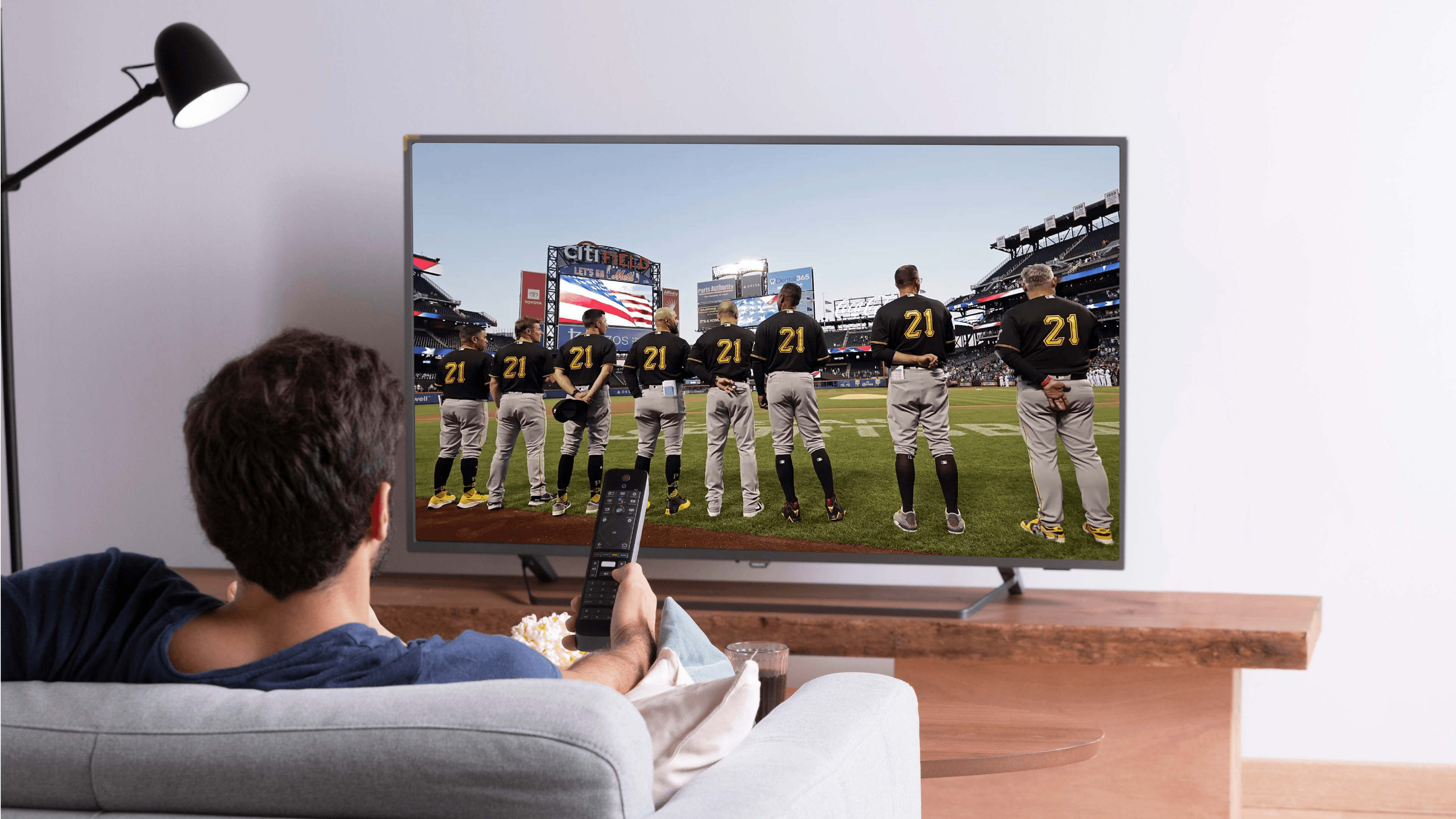
By linking data across devices and channels for each single user, identity graphs help deliver the personalised cross-device experiences that sports fans now expect. In sports, this is important because fans often watch a live game on one device, and browse information, like team news and player updates, via social media on another device.
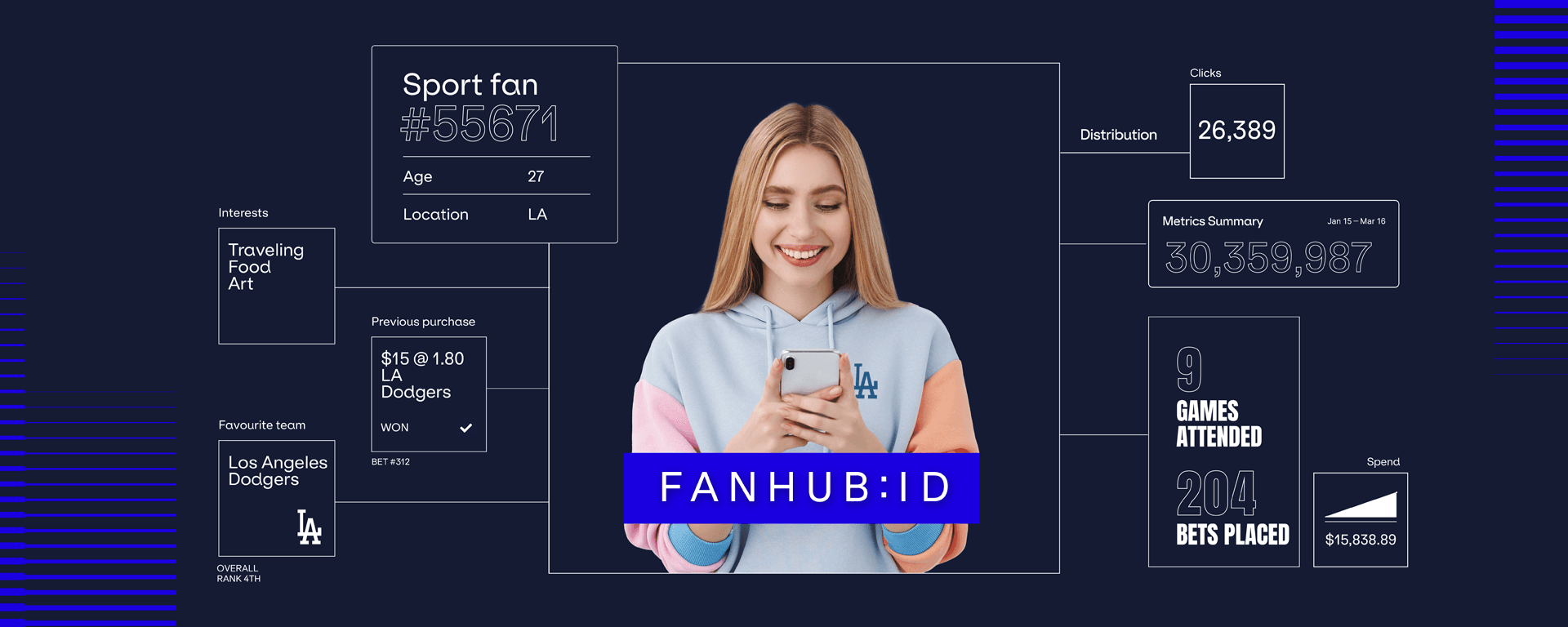
Fan identity solutions (like FanHub ID) are purpose-built with the unique data-signals required for sports advertising, allowing brands to better identity and target sports audiences. The result is highly personalised and contextual marketing at scale across channels, ranging from programmatic display and video to connected TV, audio and digital-out-of-home
What is a fan identity graph?
Identity graphs match anonymous deterministic and probabilistic identifiers back to single user profiles. These online and offline identifiers include CTV IDs, unified IDs and hashed email addresses. Identity graphs then use machine learning to interpret and find the commonalities between identifiers.
Crucially, this accounts for how users engage across multiple devices. For example, if a user using a desktop device logs in and browses an online retail website, identity graphs will measure this activity to help advertisers serve relevant programmatic display adverts to their mobile device.
Advertisers can target users with contextual, relevant advertising in the format they are most likely to engage with, which drives greater efficiency and results – without third-party cookies and with full data-privacy compliance.
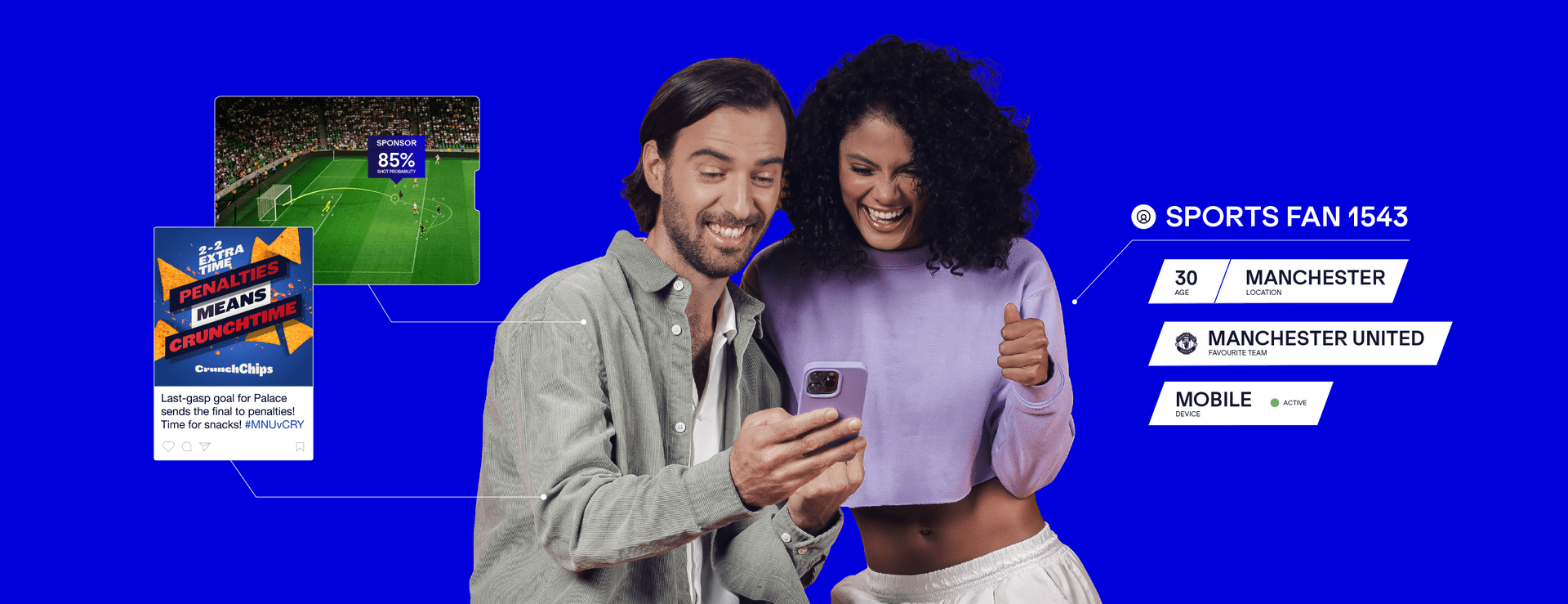
When sporting context is layered in, identity graphs (like FanHub ID) become even more exciting. Sports fan engagement is very much unique, and to personalised advertising, marketers must not only understand their online activity but also their sporting preferences, favourite sports, teams and athletes, and much more.
FanHub ID builds profiles around unique sports data signals including each consumer’s favourite sports, typical modes of viewing, and other data-driven preferences. Through our exclusive partnerships with sports leagues and live sports data, FanHub ID transforms anonymous data into an enriched dataset.
Targeting the fan with precision
Genius Sports’ experience running campaigns for sports audiences means that we have built up a bank of audience data that includes sports-centric identifiers, including favourite sports and favourite team, but also predicts how fans are engaging across devices during a typical gameday.
This goes a step further than a traditional identity graph solution, rather than just mapping different identifiers back to one ID, Genius Sports’ fan-based identity graph can interpret these anonymous data signals and understand which of these are indicative of a fan and segment these audiences in order to deliver personalised, contextual ads to the end-user.
For example, if an advertiser was particularly interested in targeting a Kansas City Chief fan, they could use FanHub ID to ensure they reached them on each device and channel where he or she was mostly likely to interact. Advertisers can also then find similar audiences to their target fan in order to grow and build their audiences.
Layered on with other proprietary Genius Sports game data and real-time pacing, brands can ensure that their ads are being served when those fans are most likely to be engaged – such as in the hours before kick-off. Brands can then align the pacing of their media buying with their ad creative – using highly contextual sports data within the ad, such as kick-off countdowns and live scoreboards, to maximise CPCs.
Once a brand, league, team or sports content owner has this information the personalisation possibilities are endless. Advertisers can find and target new sports audiences based on each fan’s interests, build lookalike sports audiences at scale by plugging their own first-party data, or earn incremental sponsorship revenue from brand partnerships.