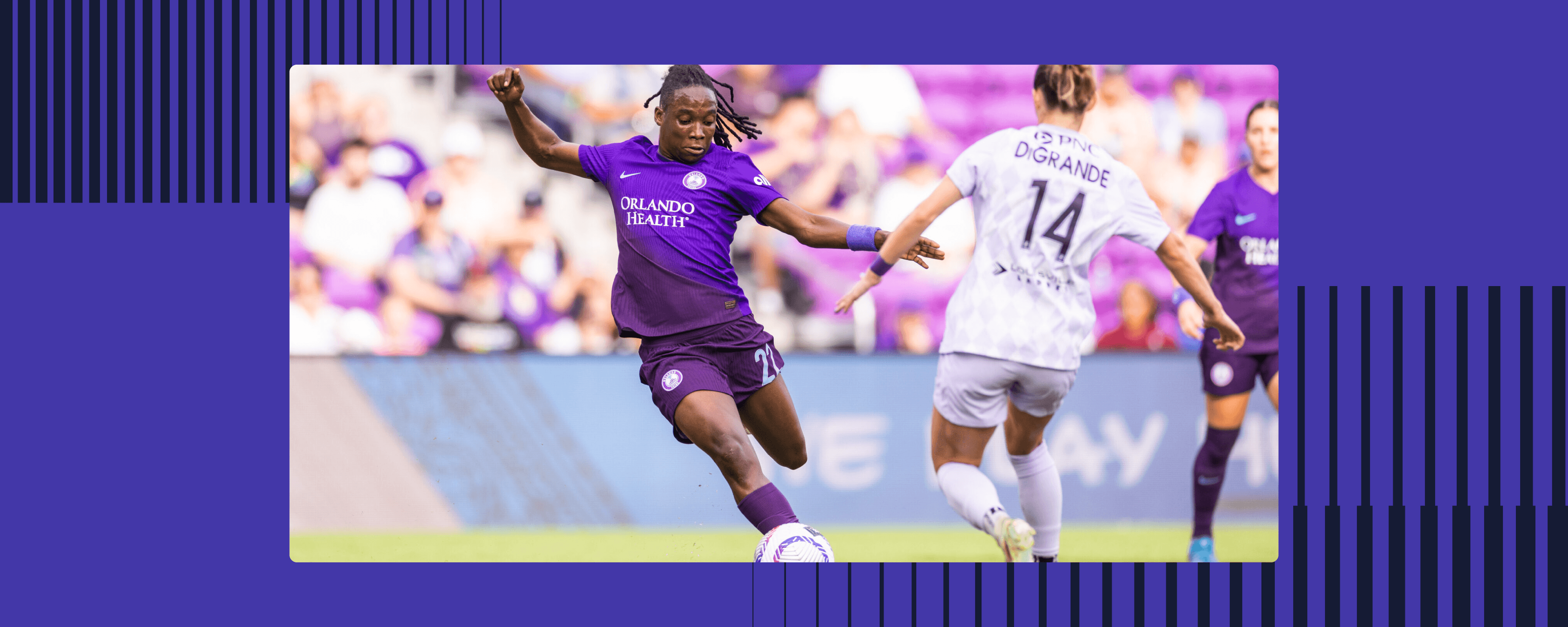
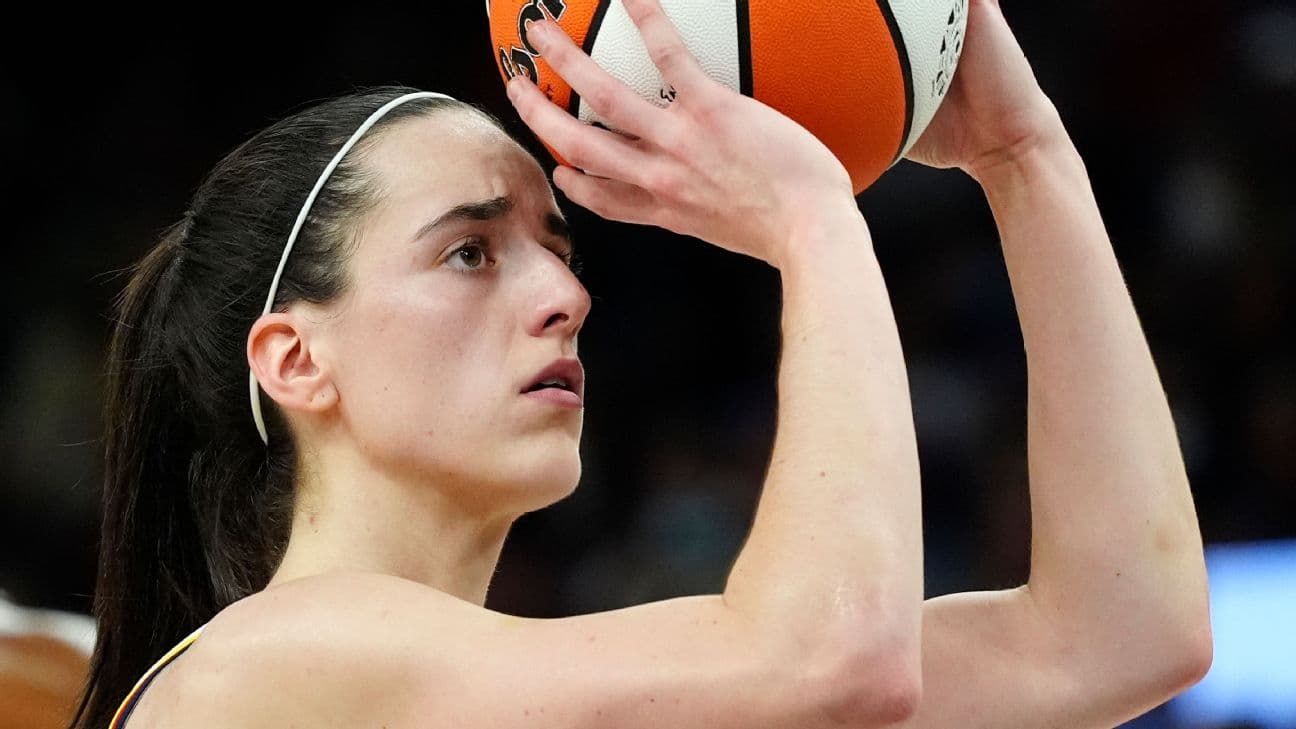
This year, the National Women’s Soccer League (NWSL) grew its audiences across ABC, ESPN and ESPN2 by 72%, according to Nielsen. This builds on the momentum of 2024’s record-breaking viewership and ticket sales, including the Orlando Pride vs. Washington Spirit championship, which became the most-watched game in NWSL history.
What’s fueling this surge? A mix of world-class talent, global accessibility and a shift in how fans value women’s sports. Athletes like Trinity Rodman and Rose Lavelle aren’t just stars on the field; they’ve become icons with loyal social media followings and sponsorship deals. Meanwhile, the success of the US Women’s National Team (USWNT) has created a ready-made audience eager to show off their pride.
As fandom spreads, the NWSL’s sponsorship ecosystem is deepening, offering marketers access to young, diverse and socially engaged audiences. And because women’s soccer has a lot of headroom for growth, advertisers have the chance to align with a sport poised for significant expansion.
In this article, we’ll break down the forces behind the NWSL’s record viewership, examine the league’s rising commercial value, and explain why global brands are lining up to invest.
NWSL Origin And Expansions
When the NWSL was founded in 2012, it became the third attempt to create a sustainable women’s professional soccer league in the United States. Early seasons faced financial challenges, limited broadcast deals, and sparse attendance. But steady investment, combined with shifting cultural attitudes around women’s sports, laid the groundwork for today’s breakthrough moment.
One of the league’s most important milestones has been its expansion strategy. In just over a decade, the NWSL has grown from eight founding teams to 14, with new franchises, including Utah Royals and Bay FC, playing for the first time in 2024. The number of teams will reach 16 next year, when Boston Legacy FC and Denver NWSL make their debut.
Each expansion club has brought in record-setting ownership bids. For example, the Denver NWSL’s $110 million entry fee was the largest bid for a US women’s professional sports team, surpassing the prior NWSL record set the year prior.
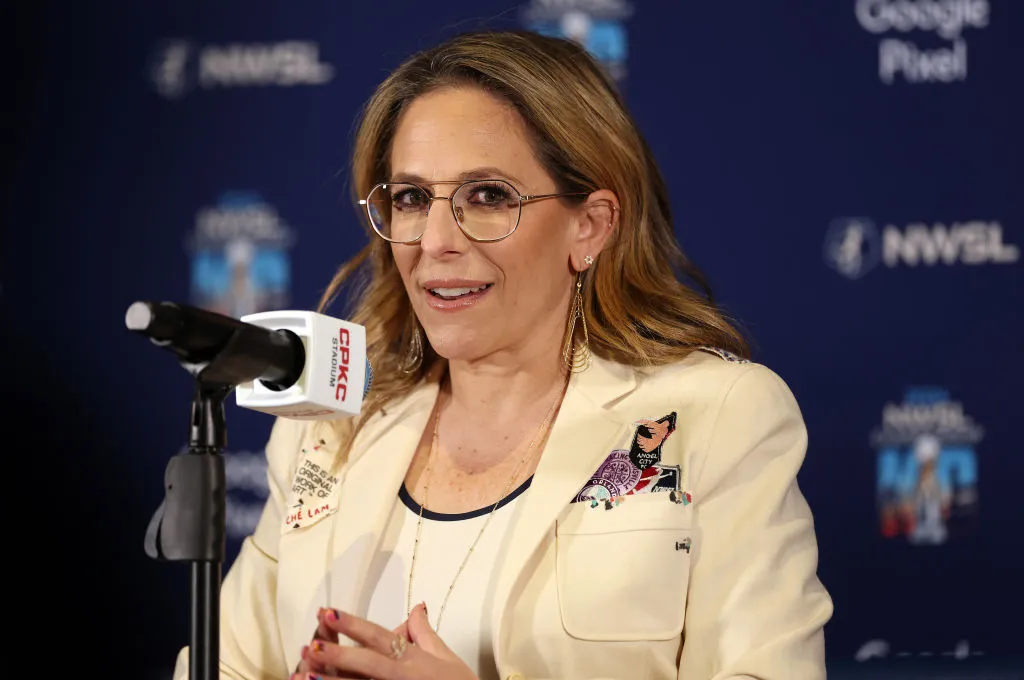
“We are expanding the discoverability and reach of NWSL matches because the demand is there. These additional media packages will help us reach new audiences and build a new generation of fandom."
Jessica Berman
Commissioner, NWSL
Jessica Berman
Commissioner, NWSL
What’s Fueling NWSL’s Growth?
- Star players
Players like Temwa Chawinga, who holds the title of top scorer in a single season, and Sam Coffey, named NWSL Best XI multiple times, are boosting fandom; following the likes of retirees Alex Morgan and Megan Rapinoe, who have over 10 million Instagram followers collectively. Social media engagement, coupled with brand sponsorships, have amplified NWSL’s visibility, particularly among millennials and Gen Zers who make up the majority of social media users.
- International players
This year, the NWSL includes players from 55 foreign national teams, which help spark cross-border appeal and global media opportunities. For the 2025 season, the league announced new international media partnerships and expanded coverage plans that hit key markets across Europe, Asia and Latin America to make viewership accessible.
- The USWNT effect
With the most wins at the Women’s World Cup and the Olympics (including the latest gold-medal win in Paris 2024), the USWNT have taken advantage of the global stage, bringing existing sports fans into its world. Many NWSL players double as national team icons, bridging global tournaments and league competition in a way that keeps fans engaged year-round.
- Even more media distribution
Improved broadcast deals and streaming partnerships have made the NWSL even easier to watch. Recently, in addition to building on agreements with CBS Sports and ESPN, the NWSL added Victory+ as its fifth media partner, introducing 25 new weekly Sunday primetime broadcasts in 2026.
- An overall uplift of women’s sports
Across the globe, women’s sports are experiencing seismic growth. Fans have come to expect equal visibility and are driving demand for content, merchandise and sponsorships. This shift ensures the NWSL isn’t an outlier but part of a broader cultural revaluation of women’s sports.
NWSL Viewership Explained
In 2024, the league recorded its most-watched season ever, with national broadcasts and streaming platforms consistently drawing record-setting audiences.
On linear TV, the 2024 NWSL Championship on CBS attracted more 967,900 viewers (peaking at 1.1 million viewers), making it the most-watched match in league history and marking an 18% increase year-over-year. On top of that, total viewership spiked five-fold, reaching 18.7 million, per Nielsen.
However, total viewership during the 2025 regular season—before the summer break—has been down around 8%, as reported by Sports Business Journal (SBJ), largely due to the absence of several star players.
While that was made up of a 13% decline on CBS, eight matches across ESPN, ESPN2 and ABC increased 29%. In addition, although ION saw a 9% decline on linear TV (averaging 181,000 for afternoon and 143,000 for evening matches), its FAST channel was up 18% per match.
The same SBJ article said that despite the overall NWSL audience decreasing at the beginning of the season, women viewers aged 18-49 were up 8%. There have also been a rise among mid-tier earners and those with higher education levels.
Why Brands Are Taking Notice
Brands are not just buying visibility; they are securing alignment with a property defined by its cultural cachet—a league featuring deeply passionate, loyal fans who are emotionally invested in the players and the league’s narrative. Furthermore, in a crowded sports landscape, the NWSL remains a relatively uncluttered sponsorship opportunity, offering partners the chance to establish a foundational, highly impactful relationship rather than merely adding their logo to a congested billboard. This combination of authentic fan engagement and low market saturation makes the NWSL arguably the most compelling growth story in professional sports today.
The league’s financial track record makes the business case irrefutable. NWSL sponsorship revenue reached a striking $75 million last year, putting it neck-and-neck with the WNBA’s million. However, the true headline figure lies in the timeframe: the NWSL achieved this parity in just 13 years, demonstrating a growth velocity nearly twice as fast as the WNBA’s 28-year trajectory. This interest translated into a flood of new commitment in 2024, as over 400 brands partnered with the NWSL, with around 50% of those representing new investors. This new commercial activity drove a robust year-over-year increase in the sheer number of sponsorship deals.
Looking ahead, the investment runway remains vast. Currently, three flagship teams—Angel City, Kansas City Current, and San Diego Wave—account for a significant portion of the league’s total revenue, indicating that a vast, untapped opportunity still exists across the other teams, ready to welcome foundational partners. This appeal is not limited to sports apparel. At the same time, stalwarts like Nike and EA Sports are involved, the diverse roster of top-tier partners now includes major players from dynamic sectors such as financial services and healthcare. This broad scope underscores the NWSL’s ability to transcend the field and connect brands with a modern, high-value, and engaged consumer audience across multiple industries.
What Brands Need to Know About NWSL Fans
The women’s soccer audience is bolstering the growth of NWSL. In fact, by 2030, women’s soccer is expected to become the fifth-largest sport in the world, with 800 million fans, according to Nielsen Sports and PepsiCo. Currently, it’s ranked in the 10th spot, behind men’s soccer, basketball, and swimming, but with its trajectory of growth, it is expected to be bumped up.
NWSL fans are also likely to be extremely valuable to brands. Half of all women’s soccer fans are aged 25-44, and nearly half (47%) of that group belongs to the top income bracket, against 37% of the general population.
Just as important: women’s soccer fans not only watch the sport but also deeply engage with the rest of the ecosystem, including its players and advertisers. A report by Parity found that they are nearly six times more likely than any other women’s sports fans to purchase because of a brand’s sponsorship. They are also more likely to trust women athletes, while more than half say a brand’s investment in women’s sports makes them more likely to trust the company.
This depth of engagement makes the NWSL fanbase one of the most unique in sports. Unlike passive viewership audiences, these fans see sponsorships as an extension of their values. With that, advertising in women’s soccer goes beyond logo visibility. It is more about investing in a community that is highly responsive to brands that recognise the greatness of the sport.
The Future of Advertising in the NWSL
The next phase of growth will be defined by two converging areas: investment and expansion of the league, as well as the surge in fan engagement. On the league side, larger media rights deals and deeper sponsorship ecosystems will bring more resources into the game, fueling better facilities, higher salaries and more matches. For fans, this translates into higher-quality competition, more accessible broadcasts and a stronger emotional connection with their favourite teams and players.
On the marketing side, women’s soccer offers a chance to rewrite the rules. Brands no longer have to compete for attention in oversaturated men’s leagues, where costs are soaring and inventory is limited. Instead, they can align with a property that is still in an early growth phase. This opens the door for advertisers to test new formats, from gamified fan activations to augmented broadcasts and to build campaigns that prioritise purpose alongside performance.