How Sports Tracking is Transforming How We Play, Watch, and Understand Athletic Performance
Some 15 years ago, it would’ve been impossible to settle an argument at a football match about, for example, which player had run the furthest. Fast forward to today, and you can pull up exact distances covered by every player, using pinpoint-accurate tracking data, before you’ve even left the stadium, on your phone.
The evolution of sports tracking technology represents one of the most significant revolutions in sporting history—yet many fans and even professionals don’t fully understand how these systems work or where they came from. This article will explore this fascinating journey, from basic timing devices to the sophisticated AI-powered sports performance tracking software that is reshaping athletics as we know it.
What is tracking in sports?
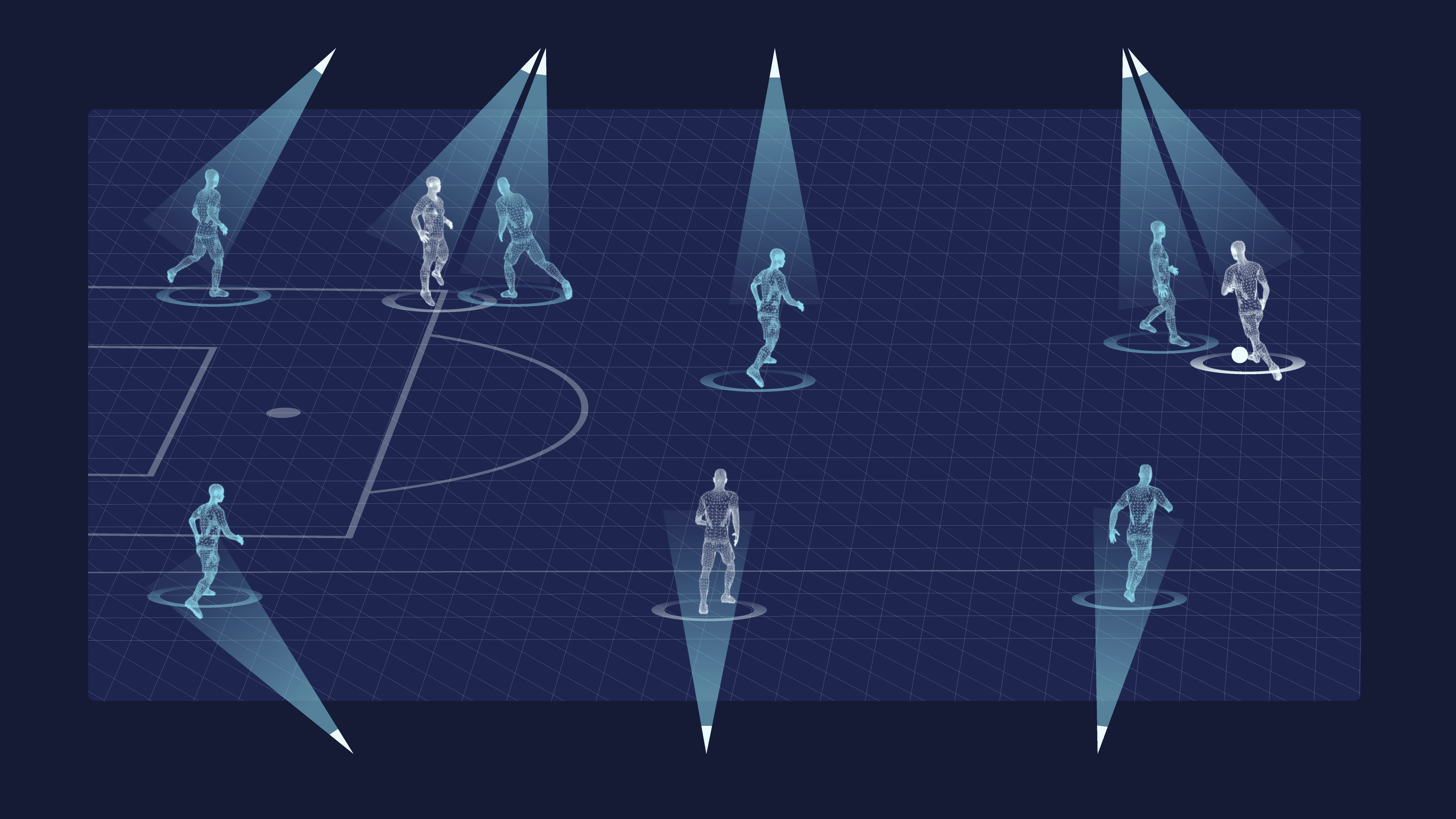
At its core, sports tracking focuses specifically on capturing how athletes move through space—their pathways, velocities, accelerations, and physical outputs. It essentially forms the foundation of modern athlete monitoring.
Modern sports tracking systems can analyse:
- Sprint distances and top speeds
- Acceleration profiles and change-of-direction ability
- Movement patterns and preferred actions
- Tactical positioning and formation adherence
- Work rate and fatigue indicators
The insights gained from player tracking have fundamentally changed how sports are coached. For instance, in rugby, teams now precisely measure the high-intensity running demands of different positions and tailor training accordingly. Gone are the days when everyone did the same fitness drills regardless of position.
I’ve spoken with strength coaches who describe this shift as a bit like moving from folk wisdom to physics. Rather than relying on gut feeling about player exertion, they now have objective measurements through athlete tracking systems that quantify the mechanical forces athletes experience.
How is Sports Tracking Data Collected?
The landscape of sports tracking technology has evolved dramatically, with several major approaches now dominating the field:
Optical Tracking Systems
These camera-based systems represent the gold standard for player tracking in many professional leagues. Networks of specialised cameras, including automatic tracking cameras for sports, capture player and ball movements, while sophisticated computer vision algorithms identify and track objects in real-time.
Systems like GeniusIQ (used in the Premier League and LFP) utilise multiple camera angles to create precise triangulated positions. These sports tracking systems can track players and the ball at up to 200 frames per second, creating incredibly detailed movement maps.

GPS and Wearable Devices
While optical systems observe from the outside, GPS and wearable technologies collect data directly from the athletes. These athlete tracking devices typically contain:
- GPS modules tracking position and movement
- Accelerometres measuring forces and direction changes
- Gyroscopes detecting rotational movements
- Heart rate monitors and other physiological sensors
Companies like Catapult Sports and STATSports provide wearable trackers that fit into specialised vests worn under jerseys. These athlete monitoring systems capture internal load metrics like heart rate variability.
Broadcast Tracking
This newer approach extracts sports tracking data directly from standard broadcast footage using advanced AI. While traditionally less accurate than dedicated systems, recent advances in computer vision have dramatically improved these systems, making player tracking data more accessible for teams without expensive infrastructure.
| Technology Type | Advantages | Limitations | Common Uses |
| Optical Tracking | Highest accuracy, no player wearables required | Expensive infrastructure, stadium-based only | Professional matches, officiating |
| GPS/Wearables | Captures physiological data, works anywhere | Requires athlete compliance, can affect comfort | Training sessions, fitness monitoring |
| Broadcast Tracking | No special equipment needed, cost-effective | Lower accuracy, dependent on camera angles | Analysis, fan engagement, lower leagues |
How Does Sports Tracking Data Work?
The journey from raw data capture to useful insights involves several sophisticated steps in sports tracking software:
1. Data Collection: Optical cameras, GPS devices, or other sensors capture raw position data many times per second.
2. Object Recognition: Computer vision algorithms identify and distinguish players, balls, and other distinctive objects.
3. Tracking: Systems maintain identity tracking, ensuring each player maintains the correct ID throughout the match despite occlusions and similar appearances.
4. Data Processing: Raw position data is cleaned, filtered for errors, and transformed into useful metrics (speeds, distances, etc.).
5. Contextual Analysis: Advanced athlete tracking systems interpret the meaning of movements in relation to game context.
6. Visualisation & Reporting: Data is presented through intuitive dashboards, reports, and visualisations for coaches, analysts, and players.
The most advanced sports performance tracking software now incorporates machine learning to automate tactical analysis, identifying formations, strategies, and patterns without human intervention.
Real-World Examples of Sports Tracking Data
Let me share a real-world example that shows the power of sports tracking technology.
During the 2018 World Cup, Croatia’s Ivan Perišić covered an astounding 72.5 kilometers across their seven matches—the equivalent of nearly two marathons. This wasn’t just an interesting factoid; it provided tangible evidence of his work rate through athlete monitoring and helped explain Croatia’s remarkable endurance as they navigated three consecutive extra-time matches en route to the final.
But player tracking goes well beyond simple distance measurements. In basketball, the GeniusIQ system used in the WNBA captures the arc, speed, and release point of every shot. Teams use this data to optimise shooting techniques and defensive positioning.
These examples showcase how sports tracking technology has transformed from a curiosity to an essential competitive tool across sports.
What is the Difference Between Event Data and Sports Tracking Data?
This distinction often confuses even seasoned sports professionals, so let’s clarify it:
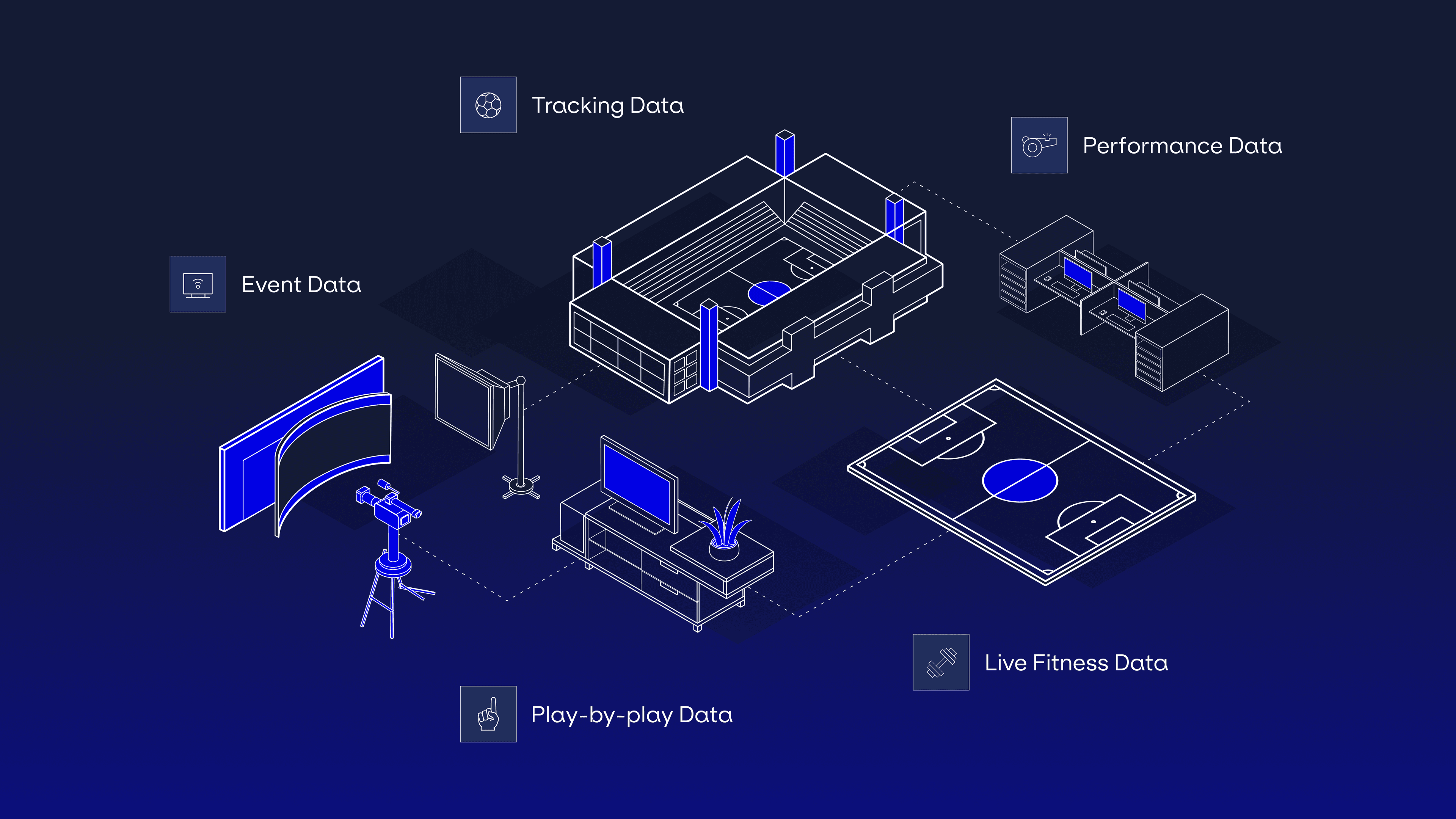
Event data records discrete actions that occur during a match—passes, shots, tackles, fouls, etc. It answers questions like “Who passed to whom?” or “How many shots were on target?” This data is typically collected manually by human operators who code each action as it happens.

Sports tracking data, in contrast, continuously records the positions and movements of all players and the ball throughout the entire match. It’s about the physical and spatial elements rather than technical actions.
The real power comes when these two data types are combined in a comprehensive athlete management system. For example, knowing that a midfielder completed 43 passes (event data) is useful, but understanding that 28 of those passes came while under pressure from opponents within two meters (combining event and player tracking data) provides much deeper insight into performance.
Sports Tracking in Football
Sports tracking in football refers to the continuous measurement and recording of player movements, physical attributes, and technical actions throughout a match. Unlike basic match statistics (goals, passes, shots), player tracking data captures the complete physical story of every player and the ball—recording positions, speeds, accelerations, distances, and more.
Think of it this way: if traditional stats tell you what happened in a match, sports tracking data reveals how it happened.
Sports tracking in football typically includes:
- Player positions (x, y coordinates) at every moment
- Running speeds and distances (total distance, sprints, jogging, etc.)
- Acceleration and deceleration patterns
- Heart rate and physiological data (in training settings)
- Team shape and formation analysis
- Pressure and defensive coverage metrics
The Premier League alone generates approximately 3.2 million data points per match through its player tracking systems—that’s a far cry from the days when coaches simply timed players with stopwatches during training drills!
How Sports Performance Tracking Software Insights Transform the Industry
Sports performance tracking software transforms raw data into actionable insights. Here’s how teams are leveraging these insights across different domains:
Performance Optimisation
Teams analyse movement patterns through athlete monitoring to identify inefficiencies and optimise techniques. Sprint mechanics, positioning, and energy expenditure can all be refined based on sports tracking data.
Manchester City famously used player tracking data to identify that certain types of long passes had much higher completion rates than previously thought, influencing their tactical approach under Pep Guardiola.

Injury Prevention
By implementing an effective athlete management system that monitors workloads and movement patterns, teams can identify fatigue and injury risks before they manifest as actual injuries.
The NFL has reduced concussion rates partly through sports tracking data that identified high-risk collision scenarios, leading to rule changes and technique modifications.
Tactical Analysis
Sports tracking data reveals team structures, pressing patterns, and defensive vulnerabilities that aren’t visible through traditional statistics.
Liverpool’s success under Jürgen Klopp has been attributed partly to their sophisticated use of player tracking data to perfect their counter-pressing approach, with analysts identifying precisely when and where to trigger pressing actions.
Recruitment
Scouts now use athlete tracking data to evaluate prospects more objectively, looking beyond basic statistics to understand movement quality, physical capacity, and tactical intelligence.
Fan Engagement
Broadcasters increasingly incorporate sports tracking data into their coverage, showing sprint speeds, heat maps, and tactical displays that enhance viewer understanding.
Sports Tracking Software: The Tools Behind the Revolution
The explosion in sports tracking data has spawned a vibrant ecosystem of specialised sports performance tracking software platforms that help teams make sense of this information overload:
Analysis Platforms
Software like Hudl, Sportscode, and Coach Logic integrate sports tracking data with video, allowing coaches to instantly find video examples of specific physical or tactical scenarios.
Physical Performance Platforms
Athlete management system solutions, like Genius Sports’ Performance Studio provide detailed physical load monitoring, helping strength coaches manage athlete exertion levels and recovery needs.
Tactical Analysis Tools
Performance Studio also offers advanced tactical analysis that automatically identifies formations, pressing triggers, and defensive structures from player tracking data.
AI-Enhanced Platforms
The newest generation of sports tracking software uses artificial intelligence to automatically identify patterns and insights that humans might miss, essentially acting as an AI assistant coach that never gets tired or misses details.
What makes modern sports performance tracking software particularly powerful is its accessibility. Systems that once required dedicated analysts and data scientists to interpret are now producing insights that coaches and athletes can immediately understand through intuitive visualisations and clear metrics.
The Future of Sports Tracking
As we look ahead, several emerging trends promise to further transform how sports tracking technology shapes athletic performance:
Expanded Accessibility
As costs decrease, expect sports tracking technology to penetrate deeper into amateur and youth sports. The automated tracking cameras for sports once exclusive to elite teams will become standard at all levels.
Enhanced Granularity
Next-generation athlete tracking systems will capture even more detailed data, including limb-specific movements, joint angles, and more precise physiological measures.
Real-Time Application
Rather than just post-match analysis, sports tracking insights will increasingly influence in-game decisions, with coaches receiving AI-processed recommendations during matches through advanced athlete management system interfaces.
Fan Integration
Spectators will gain unprecedented access to player tracking data through augmented reality experiences, second-screen applications, and interactive broadcasts.
I believe we’re still in the early stages of this revolution. The sports tracking systems of ten years from now will make today’s technology look as primitive as stopwatches seem to us now.
Conclusion: From Data to Wisdom
The evolution of sports tracking technology represents a remarkable journey from basic measurements to comprehensive performance ecosystems. What began as simple curiosity about how athletes move has transformed into sophisticated athlete monitoring systems that influence every aspect of sport—from how athletes train and recover to how teams recruit, strategise, and engage with fans.
Yet for all this technological sophistication, the most successful teams remember that data alone doesn’t win matches. The true competitive advantage comes from transforming raw sports tracking data into actionable wisdom that enhances rather than replaces human expertise.
As sports tracking technology continues to evolve, the most important question won’t be “How much data can we collect?” but rather “How can we use this data to elevate the human elements that make sport special?”