Key Takeaways: WNBA Expansion at a Glance
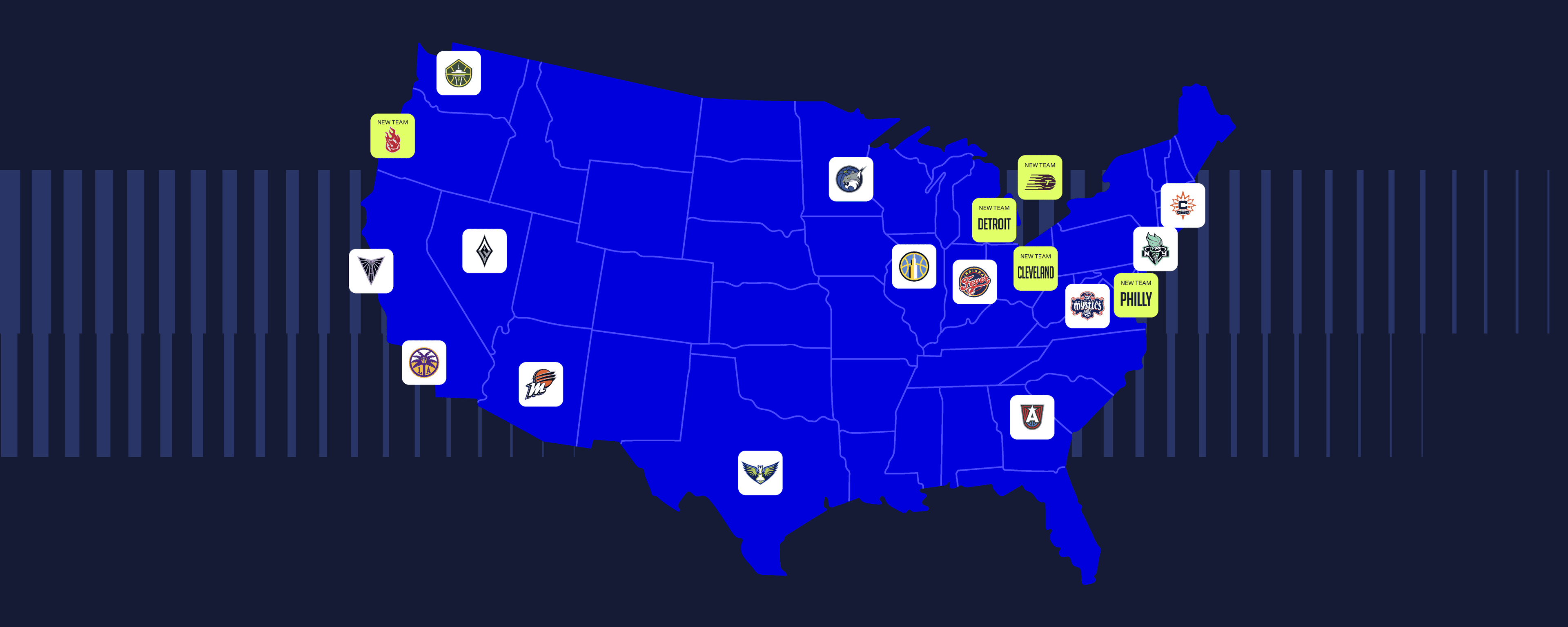
- The WNBA grew from 12 teams in 2024 to 15 in 2026, with the Golden State Valkyries (2025), Toronto Tempo (May 8, 2026), and Portland Fire (May 9, 2026) already playing, and the Cleveland Sirens (2028), Detroit (2029), and Philadelphia (2030) still to arrive.
- The WNBA’s 11-year media rights deal, originally valued at $2.2 billion in July 2024, has grown to roughly $3.1 billion as of 2026 after adding CBS, Ion, USA Network, and NBA TV as partners.
- The regular season grew from 40 games per team in 2024 to 44 in 2026 — adding 88 new team-games league-wide — and is set to expand further to 50 games by 2027–2028 and 52 by 2029.
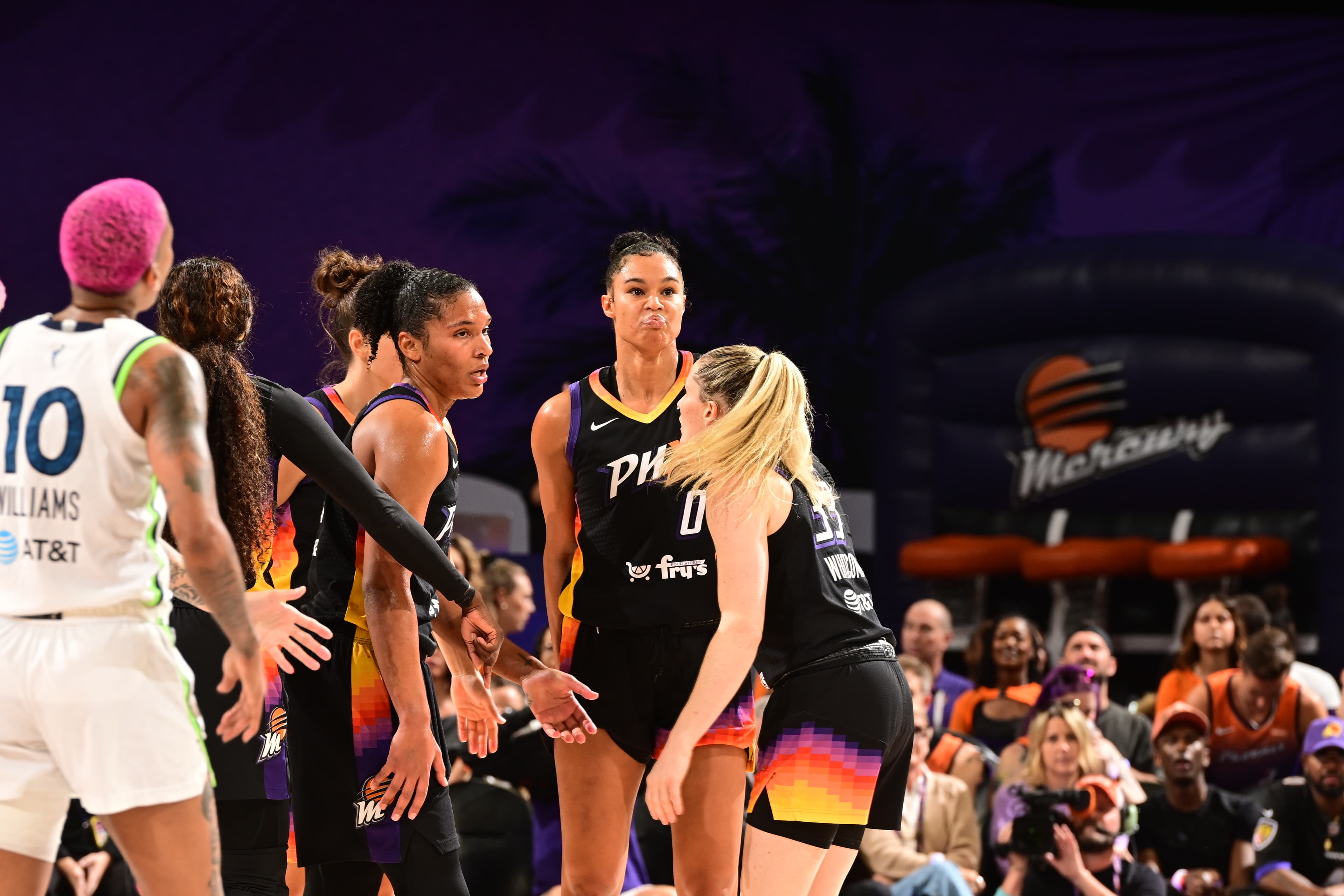
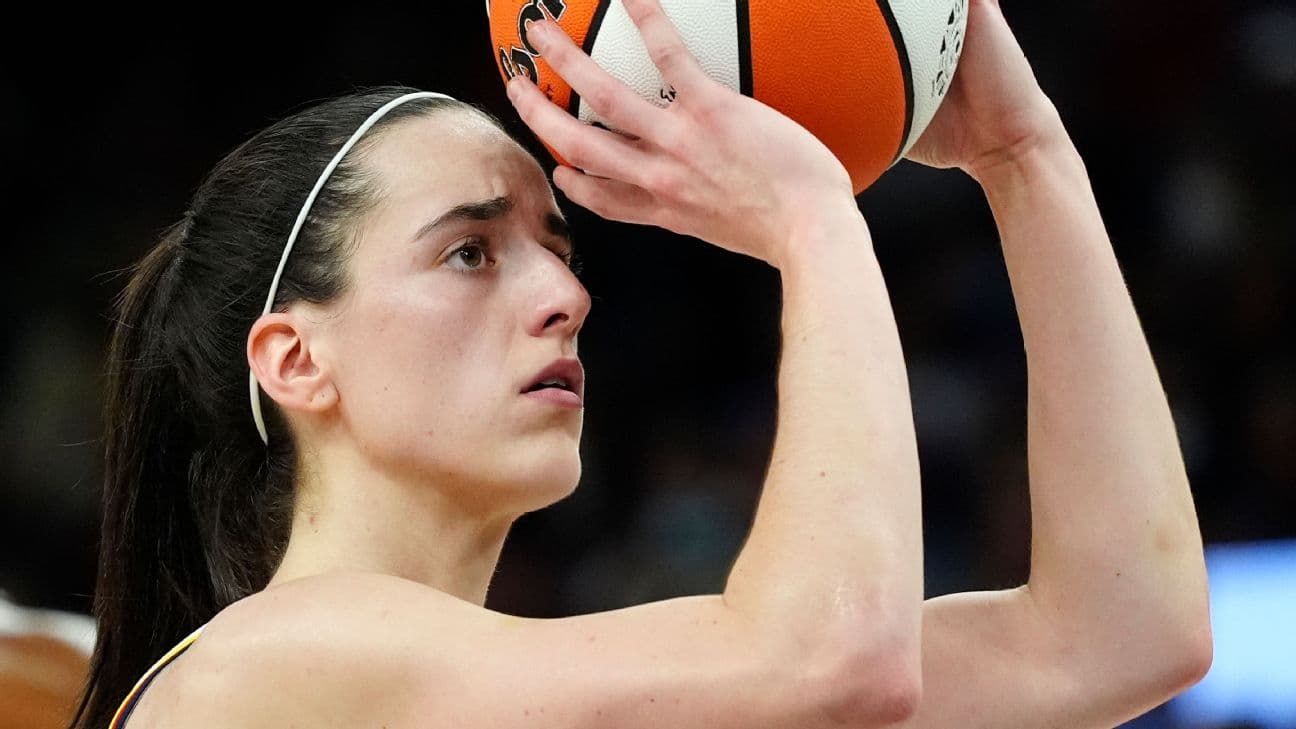
The WNBA is entering a defining moment. With expansion teams set to join the league for the first time in nearly two decades, women’s basketball isn’t just experiencing growth—it’s commanding mainstream attention in once unimaginable ways. Attendance records are being broken, broadcasts are drawing millions, and athletes like Caitlin Clark, A’ja Wilson, and Sabrina Ionescu are becoming household names.
The WNBA is in the middle of a defining moment. After nearly two decades without a new franchise, the league has added three teams since 2025 and has three more on the way, with attendance records are being broken, broadcasts are drawing millions, and athletes like Caitlin Clark, A’ja Wilson, and Sabrina Ionescu are becoming household names.
This expansion signals more than just additional teams on the court—it represents validation of the WNBA’s commercial strength. For advertisers, broadcasters, and investors, it’s a chance to engage with one of the fastest-rising sports properties in North America. Media rights value has already risen well past initial projections, sponsorship ecosystems are deepening, and brands have a rare opportunity to align with fans at a moment of cultural acceleration.
In this article, we’ll explore which expansion teams are confirmed and when they start, how the new franchises reshape the media rights landscape, and where sponsorships are heading as the league scales — with a look at how the WNBA’s growth compares to adjacent women’s sports properties.
What WNBA expansion teams are confirmed, and when do they start?
In June 2025, the WNBA announced it would expand to 18 teams by 2030. As of August 2026, three of those six new franchises are already on the court, and the league has begun revealing team identities for the rest.
Here are the details for each new franchise:
- Golden State Valkyries (active since 2025): Owned by Joe Lacob and Peter Guber, who paid a $50 million expansion fee. The Valkyries play home games at Chase Center in San Francisco. Their 2025 debut marked the WNBA’s first expansion team since 2008.
- Toronto Tempo (active since May 8, 2026): The WNBA’s first franchise outside the United States. Ownership includes Larry Tanenbaum, Serena Williams, and Lilly Singh, who paid a $50 million franchise fee. The Tempo play home games at the Coca-Cola Coliseum in Toronto (with select games in Vancouver and Montreal) and opened their inaugural season with a 68–65 loss to the Washington Mystics in front of a sold-out crowd.
- Portland Fire (active since May 9, 2026): Owned by Lisa Bhathal Merage and Alex Bhathal, who paid a $125 million franchise fee. The Fire play home games at Moda Center and marked the return of professional women’s basketball to Portland after a 24-year absence, with more than 15,000 fans at their home opener against the Chicago Sky.
- Cleveland Sirens (begins play 2028): Owned by Dan Gilbert’s Rock Entertainment Group, which paid a $250 million expansion fee. The team will play at Rocket Arena. The franchise’s name and branding — deliberately distinct from the NBA’s Cavaliers — were unveiled on August 4, 2026; more than 9,000 season-ticket deposits had been logged as of the reveal. Note: “Cleveland Sirens” is the official, confirmed name as of this writing, replacing the previously speculative “Cleveland Rockers” revival.
- Detroit (begins play 2029): Ownership is led by Tom Gores, with minority investors including Grant Hill, Chris Webber, and Eminem. The group paid a $250 million franchise fee. The team will play at Little Caesars Arena. Note: an official team name has not yet been announced; “Detroit” is a placeholder pending branding.
- Philadelphia (begins play 2030): Owned by Harris Blitzer Sports & Entertainment, which paid a $250 million expansion fee. The team is slated to play at a new arena under construction in South Philadelphia. Note: an official team name has not yet been announced.
The announcement follows years of mounting momentum. Interest in women’s basketball has spiked thanks to the rising global talent pool, crossover popularity from the women’s college game and breakout stars like Indiana Fever guard Caitlin Clark.
The financials highlight just how much the league has matured, underscoring the rising valuations of women’s basketball teams. The timing dovetails with ongoing collective bargaining agreement negotiations, where players are pushing for higher salaries, expanded rosters, and long-term commitments, such as charter flights. As the WNBA players’ union said in a statement: “Expansion news reinforces what players, fans, and countless metrics have already proven: the WNBA is thriving and a great investment.”
How will expansion change the WNBA’s media-rights value and ad inventory?
The WNBA’s media rights are worth more than first reported. In July 2024, the league signed an 11-year broadcast and streaming deal with Disney (ABC/ESPN), Amazon Prime Video, and new rights holder NBCUniversal, valued at $2.2 billion. Since then, the WNBA has added Paramount (CBS), Scripps (Ion), USA Network, and NBA TV as partners, pushing the deal’s total value to about $3.1 billion. The average annual value now sits near $281 million, up from $43 million under the old deal. The expanded package started with the 2026 season.
That’s real growth, but it’s still small next to the NBA’s $76 billion deal. Closing that gap depends on both continued audience growth and a fairer deal for players. The WNBA’s new 7-year CBA gave the league its first true revenue-sharing model, roughly quadrupling the salary cap to $7 million per team, set the maximum salary at $1.4 million, and put the average salary at $583,000.
More teams also mean more games to sell. The regular season grew from 40 games per team in 2024 to 44 in 2026, and it’s set to grow again, to 50 games in 2027 and 2028, then 52 from 2029 on. Adding Portland and Toronto alone put 88 new team games on the 2026 schedule, which means more broadcast windows, more sponsorship packages, and more in-arena inventory across the league.
For players, expansion and the new CBA add up to more visibility, better pay, and more ways to build their own brands. For advertisers, it means fresh inventory, new markets including the WNBA’s first team outside the U.S., and a chance to back a league whose value keeps climbing.
Why does WNBA expansion matter right now?
The WNBA has been on a steady upward climb, and the numbers back it up. In 2025, ESPN had its most-watched WNBA season ever, averaging 1.3 million viewers across 25 regular season games, up 6 percent from the year before. Across all networks, games averaged 969,000 viewers, the highest mark since 1998. The playoffs did even better, averaging 1.2 million viewers on ESPN, and the Las Vegas Aces’ championship run averaged 1.5 million viewers a game, the second-best WNBA Finals on record.
Attendance tells the same story. In their first season, the Golden State Valkyries set the all-time WNBA record for both total attendance and per-game average, drawing 397,408 fans and selling out all 22 home games at Chase Center. The Indiana Fever and New York Liberty were the only other teams to top 300,000 fans that season.
Expansion validates that growth. By adding new franchises—and, in turn, more games and talent—the WNBA is signalling to advertisers, broadcasters and fans that its commercial potential isn’t theoretical, but proven.
The broader women’s sports market is accelerating too
Women’s sports are pulling in serious investment worldwide. Between 2022 and 2024, revenue grew four and a half times faster than men’s sports, according to McKinsey. Looking ahead, McKinsey projects women’s sports could bring in at least $2.5 billion for U.S. rights holders by 2030, a projected 250 percent jump from 2024. That’s a forecast, not a locked-in number, but it points to where the market is headed.
Brand sponsorships of leagues, teams, and athletes account for the largest share of revenue, ticketing to live events is second, broadcast media rights third (around 20% of revenue), and merchandise sales the smallest chunk. McKinsey’s analysis notes broadcast rights have the most room to grow, since revenue per viewer-hour for women’s sports still trails men’s sports by a wide margin — a gap the WNBA, with demand for women’s basketball at an all-time high, is positioned to help close.
Who are WNBA fans, and why do they matter to sponsors?
Although expansion creates additional broadcast inventory, the bigger opportunity lies in how that inventory can be packaged. Because of the WNBA’s unique audience of younger, socially conscious, and diverse fans, the league has become a prime testing ground for advertisers blending traditional sponsorship with innovative formats like gamified experiences and augmented viewing.
01
They're young
Nearly half (47%) of WNBA fans are between the ages of 18 and 34, according to YouGov, representing an audience with potential for long-term brand affinity.
02
They're new
Most WNBA fans (42%) only started engaging with the sport in the last two years, per MRI-Simmons. And because they’re relatively new, they don’t yet have entrenched expectations around what sponsorship “should” look like. That gives brands permission to experiment.
03
They're values-driven
Nearly 9 in 10 WNBA viewers say a company’s social consciousness is at least ‘somewhat’ important to them in choosing where to shop and what to buy, compared to 6 in 10 non-viewers, according to Civic Science. Knowing this, advertisers have the chance to deliver messages that actually resonate.
Key takeaways for advertisers
Women’s basketball delivers exactly what brands are looking for: a young, diverse, digitally native, and socially engaged audience. Expansion just multiplies the number of ways to reach them, and the opportunity works on two timelines.
- Early adopters benefit now from lower entry costs, a greater share of voice, and room to experiment creatively in a league that rewards authenticity.
- As media rights value and sponsorship demand keep climbing, faster than most 2024 projections anticipated, advertisers who move early will be seen as category leaders, not followers.
This is the start of a new era for the WNBA, one already backed by record attendance, record viewership, and a landmark labor deal. Brands that show up now will lock in visibility, cultural relevance, and lasting ties to one of the most engaged audiences in sports.